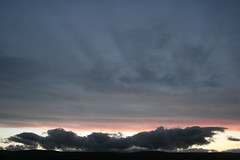
As I type, towards the end of our week on North Uist, it's blowing a gale outside our holiday house. Already this evening's ferry sailings between Uig on Skye and Lochmaddy here have been cancelled. We were booked on a sailing back later tomorrow but we've put it back until Sunday morning, mainly so we get home at a civilised time - we have an 8 hour car journey back.

 Earlier today at the great Claddach-Kirkibost cafe, looking out of the window, the nearby rushes were blowing about madly in the wind, like writhing snakes in the grass. Behind, the flooded strand out to Baleshare and Kirkibost was a lovely green in the sun with choppy white tops everywhere. I had splendid mini oatcakes made at the cafe with a selection of cheeses, chutney and salad. Viv's "wee bowl" of butternut and chilli soup was spicy and very warming. We'd been out at Hosta beach this afternoon: windy but dry; gannets were zooming past like concorde as Caz and I explored the coast; Viv did an admirable sketch of the shore; the southerly wind was blowing back the top of the waves out to sea.
Earlier on today at the house while it was raining I did some postcards. Viv was bored so we played top trumps with cans of soup and tomatoes, along with a mind-treasure hunt, describing something in the house for others to guess. As I looked up I happened to spot a male Hen harrier slowly lolloping around looking for prey across the back croft.
Our holiday house at Sollas is owned by a family, whose name Caz had found online as one of those who rebelled against the clearances. The house was built reasonably recently but presumably still on the family croft land. It was described as being on the hill; this being North Uist, the hill was only a few metres above the surroundings, with great views out over the sands to Vallay, with its ruined big house and associated steadings etc.


Our book "The Scottish Islands" (Haswell-Smith) describes Vallay (and Baleshare and Kirkibost as "drying islands" perhaps as it's written from a sailor's point of view; anyway, it means that the island is cut off at high tide but can usually be reached safely at other times. We went out to Vallay, taking the route that vehicles use. We set off as the tide was going out so some of the water was above our ankles. We inspected the house with crow-stepped gables and great interior views of dereliction through a couple of windows where the boarding had come off. The steading's roof had partially collapsed in a lovely curved way. We went over to the other side of the island past weird scarecrows and a permanent kite over the traditional machair crops of rye, oats and barley, with some corn marigolds and tufted vetch growing underneath. Pretty definite spot of a female hen harrier. There were a couple of abandoned good fish boxes which I thought about rescuing for tree nursery work back home. We made our way back in good time, with the kids singing exuberantly across the sands. The following day various farm machinery: cutters, balers and trailers went over the sands to cut the crop.


Caz met our neighbour Angus picking his tatties; he said it had been a bad year for them as July here had been bad, but he was picking them anyway. We saw tatties growing in a few other places. In one spot on Berneray, we passed right by a patch and Caz could not resist picking a few up which were uncovered.


 It was Angus' job to scare the geese off the crops on Vallay, so he went over regularly and fired rockets to frighten them off. He also cuts his peats off the "committee road" across the island - built to provide employment in hard times. Angus said his plot was a good place to spot golden eagles. We had seen a pair early on in the week, but none since, which we'd hoped for, since there are 9 pairs here along with 3 pairs of sea eagles. However they can be pretty elusive as we know from Haweswater. We were pleased at seeing the hen harriers; quite a few buzzards as well, but no merlin. Or golden plover, which we thought might have been around. We did see Bar-tailed godwit for the first time, after careful identification by scrutinising lots of photos.
The main exhibition at the Lochmaddy museum, art gallery and cafe was about Vallay's history, including Ernest Beveridge who had the big hoose built, with all mods cons: piped water from the mainland and central heating. There were interesting diary entries; spreading seaware must mean putting seaweed onto the fields, as is still done often traditionally nowadays; There's an organic farm nearby that still does only this; others use commercial fertilisers as these contain Nitrogen which is missing from seaweed which is mainly Potassium and Phosphate.
How come I've got this far without mentioning the birds and bees? OK, I've mentioned some birds and touched upon the machair. At RSPB Balranald, the warden led walk concentrated on the machair, as it's a critical resource in itself and vital for interesting birds such as corncrake and corn bunting. We spotted rare Great Yellow and Moss Carder bumble bees and northern mining bees. The large bees were mainly now on the Knapweed. However they need a succession of flowers over the summer to survive.


The crofters are encourages to set aside rough areas for corncrakes in early summer, and later on cut the crops from the centre towards the outside so the birds aren't stranded in the middle. They cultivate the machair in a 4 year rotation, with 2 years of fallow followed by two years of cropping. Delicate flowers come in for the first fallow year, with hardier ones the next. It was great to see various flowers growing amidst the main crops.


 The warden said he'd been here for 20 years. Soon after arriving the postie had asked what could be done about the starlings nesting in the postboxes. They tried putting up a nestbox beside each postbox, but ended up with 2 pairs! So most postboxes now have a flap to stop the starlings getting in - we'd previously assumed it was to keep the weather out.
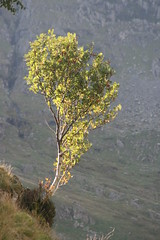
3 of us went up North Uist's highest hill Eaval (pronounced a-val not evil as we'd imagined). It was boggy on the way. There were some stepping stones over a small river near the beginning which looked odd as seaweed was on the upstream side; we since found out that the upstream loch is tidal - luckily we'd timed it so that it was OK to cross and get back. En route we found a dwarf rowan growing on a rock. Nearby was an interesting dragonfly which we've identified as a male Common Hawker: "They can be quite variable in colour. This one has perhaps lost some of its lustre having been on the wing for a while."


While we were away, Viv back at the house was visited by some Jehova's Witnesses. She was busy with some toast so made her excuses. She could have shown the shelf full of bibles in the porch. Most strange that they are visiting this pretty religious part of the country.
We snatched a snack at the cafe, came home for a quick tea, and then went back to the community centre cafe soon after for a very informative talk on the Insects of the Hebrides by SNH expert Tracey Begg, including more details of the rare bumble bees.


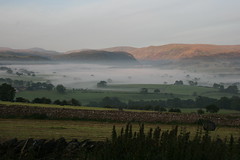
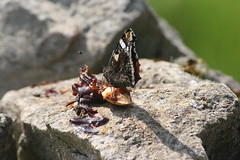
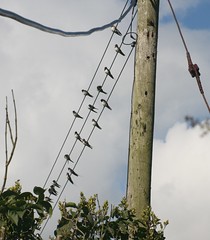
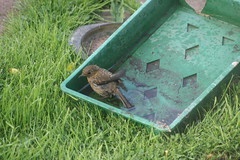
We took almost 1,000 photos on the holiday: here's a few more:


Birds:
Bar-tailed Godwit, Black Guillemot, Blackbird, Black-headed Gull (1st summer), Buzzard, Collared Dove, Common Gull, Cormorant,
Curlew, Eider, Fulmar, Gannet, Golden eagle, Great Northern Diver, Great Skua, Greater Black-backed Gull, Greenfinch, Grey Heron,
Greylag Goose, Guillemot, Hen Harrier FFM, Herring Gull, Hooded Crow, House sparrow, Lapwing, Lesser Black-backed Gull,
Manx Shearwater, Meadow pipit, Mute Swan, Oystercatcher, Pied Wagtail, Puffin, Raven, Razorbill, Red throated diver?,
Redshank, Ringed Plover, Rock Dove, Rock Pipit, Shag, Snipe, Starling, Swallow, Tern (Sort?), Turnstone, Twite, Wheatear,
Willow Warbler, Wren
Flowers:
Amphibious Bistort, Autumn Gentian, Birds-foot trefoil, Bog Asphodel, Bog Pimpernell, Bogbean, Bugloss, Buttercup, Butterwort,
Common Fumitory, Common Poppy, Corn Marigold, Cross-leaved heath, Crowberry, Cut-leaved Cranesbill, Daisy, Devil's bit scabious,
Doves' foot cranesbill, Eyebright, Field Pansy, Fir? Clubmoss, Frog Orchid, Hare bell, Kidney Vetch, Knapweed, Ladies Bedstraw,
Lousewort, Mare's tail, Michaelmas Daisy, Milkwort, Mugwort, Orache, Oxeye Daisy, Primrose, Ragged Robin, Ragwort,
Red Bartsia, Red Clover, Scentless Mayweed, Sea Campion, Sea rocket?, Sea spurge?, Self heal, Silverweed, Sun Spurge,
Thrift, Tormentil, Tufted Vetch, White clover, White water lily, Yarrow, Yellow Rattle
Others:
St Kilda, Seal,
Great yellow Bumble Bee, White-tailed Bumble Bee, Moss carder Bumble bee, Northern mining bee, Hoverfly,
Common/Highland Darter, male Common Hawker, Green-veined white, Common blue, Tortoiseshell,
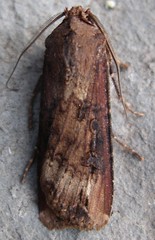
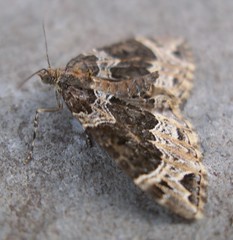
Dark arches, Antler, Rosy Rustic, ?Archer's Dart